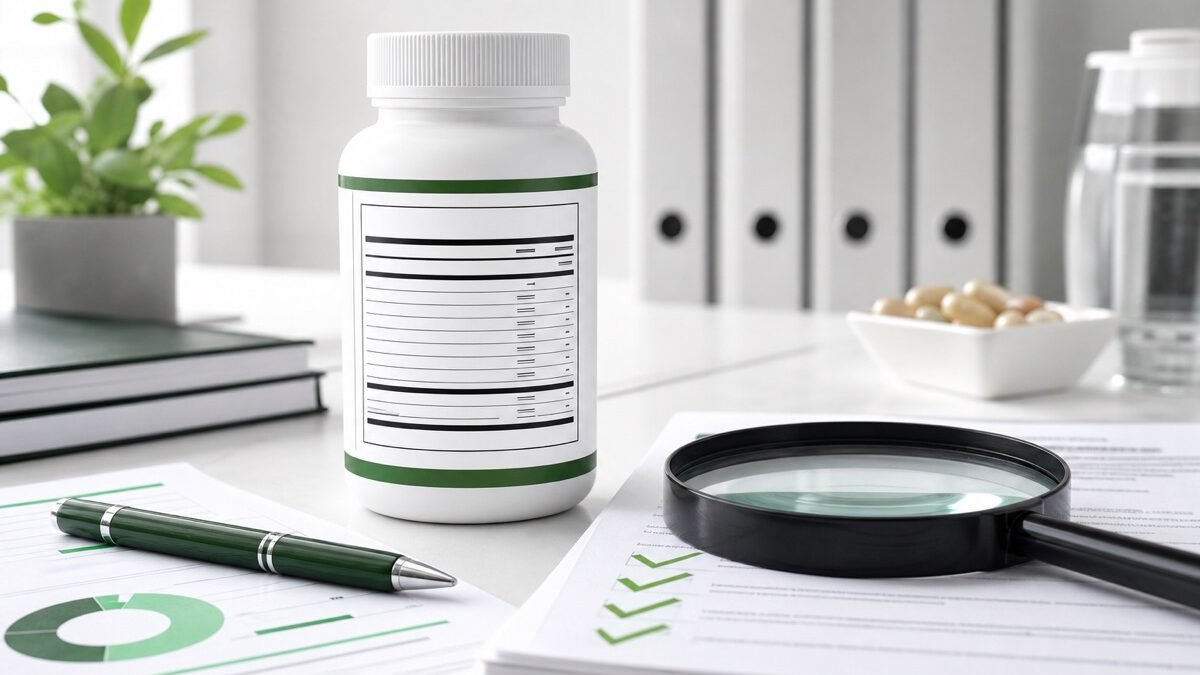

Regulatory compliance is no longer a back-office concern for nutraceutical brands—it is a front-line business priority. With evolving FDA labeling requirements for 2026, supplement companies must review their packaging, claims, ingredient statements, and documentation workflows before products reach retail shelves or e-commerce platforms. Even minor labeling errors can trigger costly delays, product holds, and reputational damage.
Why 2026 Is a Pivotal Year for Supplement Label Compliance
The dietary supplement industry continues to face greater scrutiny around transparency, safety, and consumer understanding. Regulators and retailers alike expect brands to present accurate ingredient information, clear serving sizes, and responsible marketing language. For manufacturers and private-label marketers, this means label design must be treated as a strategic function tied directly to product approval, market access, and brand credibility.
Many companies still treat labeling as a final-step artwork task. In reality, successful compliance begins during formulation. The choice of ingredients, allergen profile, dosage format, and claim strategy all influence what can legally and accurately appear on a supplement facts panel or product label.
Core Elements Every Nutraceutical Label Must Address
Although specific obligations may vary by product type and market, most supplement labels must clearly communicate the following:
- Product identity and net quantity of contents
- Supplement Facts panel with accurate serving size and ingredient amounts
- Full ingredient list, including excipients and flavor systems
- Allergen disclosures where applicable
- Manufacturer, packer, or distributor information
- Directions for use and cautionary statements when required
Brands exporting from India or sourcing contract manufacturing overseas must also ensure that U.S.-bound labels reflect domestic formatting expectations. This includes consistent unit declarations, proper nomenclature, and compliant structure/function claim language.
Ingredient Disclosure and Transparency Trends
One of the biggest shifts facing the industry is the growing demand for deeper ingredient transparency. Consumers want to know not only what is in a product, but also why it is included, how much is present, and whether the formula contains common allergens, artificial additives, or proprietary blends that obscure exact dosages.
For brand owners, this creates both risk and opportunity. Labels that are vague or overstated can attract regulatory attention, while labels that are clean, factual, and easy to understand can improve conversion rates and customer loyalty. Strong nutraceutical compliance practices support better relationships with distributors, marketplace compliance teams, and institutional buyers.
Common Labeling Mistakes That Brands Should Avoid
During label audits, several issues appear repeatedly across early-stage and established supplement lines:
- Mismatch between formula records and printed Supplement Facts panels
- Improper use of disease-treatment language instead of structure/function claims
- Failure to update labels after formulation changes
- Incorrect rounding rules for nutrient quantities
- Missing caution statements for sensitive ingredients
- Inconsistent branding between SKU variations in the same product family
These mistakes are preventable when regulatory review is integrated into the product development workflow. The most efficient brands build compliance checkpoints at formulation approval, pilot batch review, packaging design, and final quality release.
How Contract Manufacturers Can Reduce Compliance Risk
Choosing the right manufacturing partner is one of the most effective ways to strengthen label accuracy. Experienced nutraceutical manufacturers maintain detailed master manufacturing records, batch documentation, and specification sheets that serve as the foundation for compliant labeling.
At Herbinn Micro Medicines, we support brands with export-ready production, quality-driven processes, and formulation documentation that helps reduce ambiguity during label creation. Whether you are producing softgels, oils, serums, or specialty wellness products, alignment between production data and packaging content is essential for smooth market entry.
Practical Steps to Prepare for 2026 Label Requirements
Brands that want to stay ahead of regulatory change should take a structured approach:
- Audit all active SKUs for label accuracy and claim support
- Confirm that ingredient nomenclature matches approved specifications
- Review marketplace policies for Amazon, retail chains, and international buyers
- Establish a change-control process for reformulations and artwork updates
- Work with legal, regulatory, and manufacturing teams before launch
Early preparation reduces rework and protects revenue. It also gives marketing teams confidence that product messaging is both compelling and compliant.
Build a Compliance-Ready Brand with Herbinn
Regulatory excellence is a competitive advantage. Brands that invest in accurate labeling, responsible claims, and quality manufacturing are better positioned for long-term growth in the global wellness market. If you are developing a new product line or updating an existing range for 2026, Herbinn can help you move from concept to compliant commercialization.
Contact our team to discuss your next nutraceutical project or browse our product portfolio to explore formulation possibilities.