How to Choose the Right Private Label Supplement Manufacturer for Your Brand

Launching a supplement brand is one of the fastest-growing business opportunities in the health and wellness industry. However, your success depends on more than having a great product idea. The partner you choose to manufacture your supplements can influence product quality, customer satisfaction, regulatory compliance, and ultimately the reputation of your brand.

Finding the right private label supplement manufacturer is one of the most important decisions you will make as a business owner. While many companies claim to offer the same services, their manufacturing standards, formulation expertise, quality control processes, and customer support can vary significantly.

At Herbinn Wellness, we understand that every brand has unique goals. Whether you are launching your first product or expanding an established supplement line, choosing the right manufacturing partner can help you bring premium products to market faster and with greater confidence.

What Is a Private Label Supplement Manufacturer?

A private label supplement manufacturer produces dietary supplements that are sold under your own brand name. Instead of investing in expensive manufacturing equipment, hiring production staff, and managing compliance on your own, you partner with an experienced manufacturer who handles the production process for you.

Private label manufacturing allows businesses to focus on branding, marketing, and customer acquisition while relying on industry experts for formulation, production, packaging, labeling, and quality assurance.

Many private label supplement manufacturers offer ready-to-market formulations, while others provide custom product development based on your unique requirements.

Why More Brands Are Choosing Private Label Supplement Manufacturing

The dietary supplement market continues to experience strong growth as consumers become more focused on health, fitness, immunity, and preventive wellness. This growing demand has made private label manufacturing an attractive option for entrepreneurs, retailers, healthcare professionals, and eCommerce businesses.

Working with an experienced manufacturing partner offers several advantages:

  • Faster product launches
  • Lower upfront investment
  • Professional formulation support
  • Access to advanced manufacturing technology
  • Compliance with industry regulations
  • Scalable production as your business grows

Rather than building a manufacturing facility from scratch, businesses can enter the market more efficiently while maintaining high product quality.

7 Factors to Consider When Choosing a Private Label Supplement Manufacturer

1. Industry Experience

Experience matters in supplement manufacturing. An established manufacturer understands formulation challenges, ingredient compatibility, quality standards, and production efficiency.

Look for a manufacturer with proven expertise across multiple supplement categories, including:

  • Capsules
  • Tablets
  • Gummies
  • Softgels
  • Powders
  • Liquid supplements

An experienced manufacturer can help identify potential issues before they become costly problems.

2. Manufacturing Standards and Certifications

Quality should never be compromised. A reliable private label supplement manufacturer should follow strict manufacturing practices and maintain industry-recognized certifications.

Key standards include:

  • cGMP compliant manufacturing
  • FDA-registered facility
  • Third-party quality testing
  • Ingredient traceability
  • Quality control at every production stage

These standards help ensure your products meet safety and quality expectations while building trust with your customers.

3. Product Development Capabilities

Every successful supplement brand starts with a product that delivers value. Some manufacturers only offer stock formulas, while others provide complete research and development support.

Choose a manufacturer that can assist with:

  • Custom formulations
  • Ingredient sourcing
  • Flavor development
  • Stability testing
  • Packaging recommendations

This flexibility allows your products to stand out in a competitive marketplace.

4. Ingredient Quality

The quality of your supplements depends on the quality of the ingredients used. Ask potential manufacturers about:

  • Ingredient sourcing
  • Supplier verification
  • Certificate of Analysis (COA)
  • Purity testing
  • Heavy metal testing
  • Microbiological testing

Premium ingredients lead to premium products.

5. Transparent Communication

Clear communication helps avoid production delays and unexpected costs. Your manufacturing partner should provide:

  • Clear project timelines
  • Regular production updates
  • Transparent pricing
  • Dedicated account management
  • Technical support

A responsive team can make the entire manufacturing process smoother and more predictable.

6. Packaging and Labeling Support

Packaging is often the first impression customers have of your brand. Many private label supplement manufacturers offer complete packaging solutions, including:

  • Bottle selection
  • Label application
  • Shrink wrapping
  • Carton packaging
  • Retail-ready packaging

Working with a single partner simplifies your supply chain and speeds up product launches.

7. Scalability

Your manufacturing partner should be able to grow alongside your business. As demand increases, your manufacturer should have the capacity to handle larger production volumes without sacrificing product quality or lead times.

Choosing a scalable partner today helps prevent operational challenges in the future.

Common Mistakes to Avoid

Many new supplement brands make avoidable mistakes when selecting a manufacturer. Some of the most common include:

  • Choosing based only on the lowest price
  • Ignoring manufacturing certifications
  • Overlooking quality testing procedures
  • Failing to understand minimum order quantities
  • Not reviewing production timelines
  • Accepting poor communication

A low manufacturing cost may seem attractive initially, but inconsistent quality can damage your brand and customer trust over time.

Why Quality Should Always Come First

Consumers expect supplements that are safe, effective, and manufactured to the highest standards. Choosing a reputable private label supplement manufacturer helps ensure:

  • Consistent product quality
  • Reliable ingredient sourcing
  • Accurate labeling
  • Regulatory compliance
  • Long-term brand credibility

Investing in quality manufacturing today can reduce customer complaints, product returns, and regulatory risks in the future.

Why Businesses Choose Herbinn Wellness

At Herbinn Wellness, we believe manufacturing is more than producing supplements. It is about helping brands build lasting relationships with their customers.

Our team works closely with startups, growing businesses, healthcare professionals, and established brands to develop supplements that meet the highest standards of quality and performance.

Our manufacturing solutions include:

  • Private label supplement manufacturing
  • Custom supplement formulation
  • Premium ingredient sourcing
  • cGMP manufacturing practices
  • Quality testing and assurance
  • Packaging and labeling solutions
  • Dedicated customer support throughout the production process

Whether you are launching a single product or building an entire supplement portfolio, Herbinn Wellness provides the expertise and resources to support your growth.

Final Thoughts

Choosing the right private label supplement manufacturer is one of the most important investments you can make in your business. The right partner brings more than manufacturing capabilities. They provide industry expertise, reliable quality control, product development support, and the confidence to grow your brand in a competitive market.

Rather than focusing solely on pricing, evaluate manufacturers based on their experience, certifications, ingredient quality, transparency, and commitment to long-term partnerships.

At Herbinn Wellness, we are committed to helping brands create premium dietary supplements backed by quality, innovation, and trusted manufacturing practices. Whether you are launching your first product or expanding your existing range, our team is ready to help you bring your vision to life with confidence.

Ready to build your supplement brand? Partner with Herbinn Wellness and discover how our private label supplement manufacturing solutions can help you create high-quality products that your customers trust. Contact our team to get started.
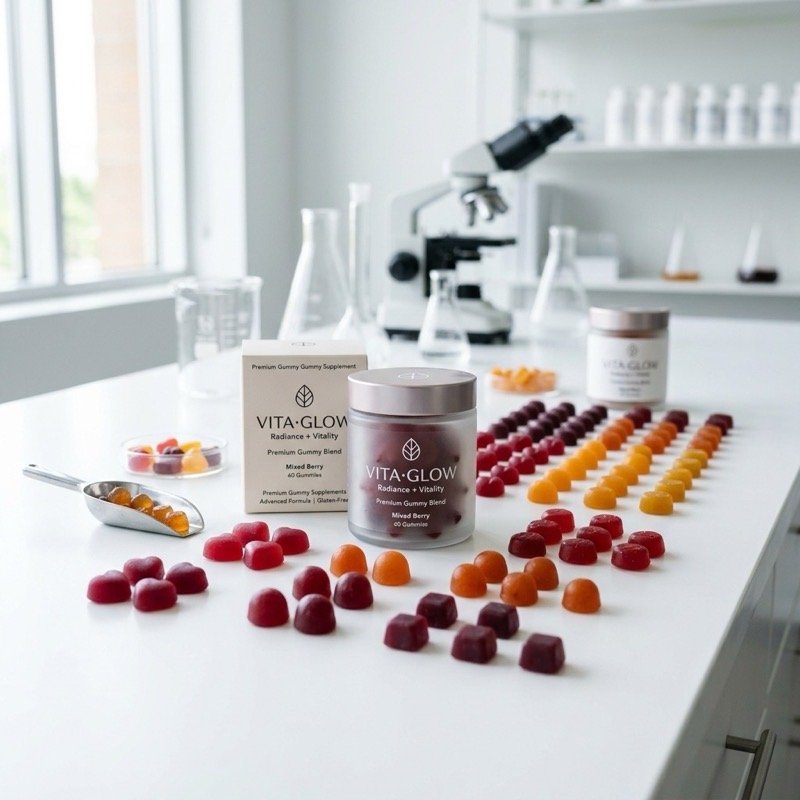

The Rise of Gummy Supplements in 2026: Formulating for Stability & Success

Gummy Supplements

As the global nutraceutical market pushes forward into 2026, the concept of “pill fatigue” has evolved from a minor trend to a major operational bottleneck for wellness brands. Consumers are no longer willing to choke down handfuls of large, chalky tablets. The solution? Nutraceutical Gummies.

The Shift Toward Experiential Wellness

Modern supplement users—particularly Millennials and Gen Z—demand that wellness fit seamlessly into their lifestyle. Taking vitamins should not feel like taking medicine; it should feel like a reward. Gummies bridge the gap perfectly by offering rich flavor profiles and a pleasant, chewable delivery method that requires no water or prep work.

Overcoming the Formulation Stability Barrier

Despite their appeal, gummies are incredibly difficult to formulate correctly at a commercial scale. Active ingredients (such as Vitamin C, herbal extracts, and collagen) are highly susceptible to thermal degradation during the cooking and depositing stages.

To prevent potency loss, manufacturers must deploy cold-fill processes, advanced temperature buffering, and precise overages to ensure the product meets label claims upon reaching the customer.

Pectin vs. Gelatin: Choosing the Right Base

Brands must make strategic choices when mapping their formulations. Gelatin provides the classic, springy chew that many enjoy, but restricts products to non-vegan demographics. Conversely, Pectin—derived naturally from apples and citrus fruits—offers a slightly cleaner bite, accommodates full plant-based labeling, and provides higher natural heat resistance during transit.

Dosing Accuracy & Homogeneity

When you take a hard tablet, consistency is straightforward. In liquid slurry gummy casting, ensuring active compounds remain evenly distributed throughout thousands of units is highly complex. Herbinn solves this using continuous agitation systems and rapid-set cooling tunnels.

Conclusion

If you plan to launch a gummy product in 2026, scientific validation is your best defense against failure. Work with vetted partners to bring your brand to life safely.

New FDA Labeling Requirements for 2026: A Critical Guide for Brands

Regulatory compliance is no longer a back-office concern for nutraceutical brands—it is a front-line business priority. With evolving FDA labeling requirements for 2026, supplement companies must review their packaging, claims, ingredient statements, and documentation workflows before products reach retail shelves or e-commerce platforms. Even minor labeling errors can trigger costly delays, product holds, and reputational damage.

Why 2026 Is a Pivotal Year for Supplement Label Compliance

The dietary supplement industry continues to face greater scrutiny around transparency, safety, and consumer understanding. Regulators and retailers alike expect brands to present accurate ingredient information, clear serving sizes, and responsible marketing language. For manufacturers and private-label marketers, this means label design must be treated as a strategic function tied directly to product approval, market access, and brand credibility.

Many companies still treat labeling as a final-step artwork task. In reality, successful compliance begins during formulation. The choice of ingredients, allergen profile, dosage format, and claim strategy all influence what can legally and accurately appear on a supplement facts panel or product label.

Core Elements Every Nutraceutical Label Must Address

Although specific obligations may vary by product type and market, most supplement labels must clearly communicate the following:

  • Product identity and net quantity of contents
  • Supplement Facts panel with accurate serving size and ingredient amounts
  • Full ingredient list, including excipients and flavor systems
  • Allergen disclosures where applicable
  • Manufacturer, packer, or distributor information
  • Directions for use and cautionary statements when required

Brands exporting from India or sourcing contract manufacturing overseas must also ensure that U.S.-bound labels reflect domestic formatting expectations. This includes consistent unit declarations, proper nomenclature, and compliant structure/function claim language.

Ingredient Disclosure and Transparency Trends

One of the biggest shifts facing the industry is the growing demand for deeper ingredient transparency. Consumers want to know not only what is in a product, but also why it is included, how much is present, and whether the formula contains common allergens, artificial additives, or proprietary blends that obscure exact dosages.

For brand owners, this creates both risk and opportunity. Labels that are vague or overstated can attract regulatory attention, while labels that are clean, factual, and easy to understand can improve conversion rates and customer loyalty. Strong nutraceutical compliance practices support better relationships with distributors, marketplace compliance teams, and institutional buyers.

Common Labeling Mistakes That Brands Should Avoid

During label audits, several issues appear repeatedly across early-stage and established supplement lines:

  • Mismatch between formula records and printed Supplement Facts panels
  • Improper use of disease-treatment language instead of structure/function claims
  • Failure to update labels after formulation changes
  • Incorrect rounding rules for nutrient quantities
  • Missing caution statements for sensitive ingredients
  • Inconsistent branding between SKU variations in the same product family

These mistakes are preventable when regulatory review is integrated into the product development workflow. The most efficient brands build compliance checkpoints at formulation approval, pilot batch review, packaging design, and final quality release.

How Contract Manufacturers Can Reduce Compliance Risk

Choosing the right manufacturing partner is one of the most effective ways to strengthen label accuracy. Experienced nutraceutical manufacturers maintain detailed master manufacturing records, batch documentation, and specification sheets that serve as the foundation for compliant labeling.

At Herbinn Micro Medicines, we support brands with export-ready production, quality-driven processes, and formulation documentation that helps reduce ambiguity during label creation. Whether you are producing softgels, oils, serums, or specialty wellness products, alignment between production data and packaging content is essential for smooth market entry.

Practical Steps to Prepare for 2026 Label Requirements

Brands that want to stay ahead of regulatory change should take a structured approach:

  • Audit all active SKUs for label accuracy and claim support
  • Confirm that ingredient nomenclature matches approved specifications
  • Review marketplace policies for Amazon, retail chains, and international buyers
  • Establish a change-control process for reformulations and artwork updates
  • Work with legal, regulatory, and manufacturing teams before launch

Early preparation reduces rework and protects revenue. It also gives marketing teams confidence that product messaging is both compelling and compliant.

Build a Compliance-Ready Brand with Herbinn

Regulatory excellence is a competitive advantage. Brands that invest in accurate labeling, responsible claims, and quality manufacturing are better positioned for long-term growth in the global wellness market. If you are developing a new product line or updating an existing range for 2026, Herbinn can help you move from concept to compliant commercialization.

Contact our team to discuss your next nutraceutical project or browse our product portfolio to explore formulation possibilities.

Advances in Softgel Bioavailability: The Nano-Emulsification Revolution

As consumer demand for high-performance nutraceuticals continues to rise, softgel bioavailability has become one of the most important differentiators for supplement brands. Lipophilic actives such as omega-3 fatty acids, CoQ10, astaxanthin, vitamin D3, and botanical oils are widely used in wellness formulations, yet their absorption can be limited when delivery systems are not optimized. That is why advanced nano-emulsification is reshaping how manufacturers approach softgel development in 2026 and beyond.

Why Softgel Bioavailability Matters for Modern Brands

Bioavailability refers to the proportion of an active ingredient that enters circulation and becomes available for use by the body. For lipophilic nutrients, poor solubility in the gastrointestinal tract can reduce efficacy, increase required serving sizes, and weaken consumer confidence. Brands that invest in superior delivery technology can offer stronger clinical positioning, better customer outcomes, and a more compelling value proposition in competitive categories such as heart health, immunity, skin wellness, and sports nutrition.

Softgel capsules remain one of the most trusted formats in the nutraceutical industry because they protect sensitive ingredients, mask unpleasant tastes, and deliver oils and fat-soluble compounds efficiently. However, not all softgels are created equal. The real performance advantage comes from formulation science, emulsification strategy, excipient selection, and manufacturing precision.

What Is Nano-Emulsification in Nutraceutical Manufacturing?

Nano-emulsification is a process that breaks oil-based actives into extremely fine droplets, often in the nanometer range, and stabilizes them within a compatible carrier system. This increases the surface area available for digestion and absorption, helping lipophilic nutrients move more effectively through the digestive process. In practical terms, it can improve consistency, reduce variability between batches, and support more predictable consumer results.

For contract manufacturers and private-label brands, nano-emulsified systems offer several commercial benefits:

  • Enhanced absorption of fat-soluble vitamins and botanical extracts
  • Improved stability for sensitive antioxidant compounds
  • Greater formulation flexibility across dosage strengths
  • Stronger premium positioning in retail and e-commerce channels
  • Better opportunity to support science-backed marketing claims

Key Applications in Lipophilic Nutrient Delivery

Nano-emulsification is especially valuable for categories where absorption has traditionally been challenging. At Herbinn Micro Medicines, we see strong demand for advanced softgel solutions across omega formulations, krill and flaxseed oils, astaxanthin, lycopene, CoQ10, ubidecarenone, beta carotene, and specialty botanical blends. These ingredients are highly sought after, but their performance depends heavily on how well they are solubilized, encapsulated, and released.

When brands choose a manufacturing partner with deep expertise in lipophilic nutrient delivery, they gain access to formulation support that goes beyond simple encapsulation. The best outcomes are achieved when R&D, quality assurance, and production teams collaborate early in the development cycle to define target release profiles, stability goals, and market claims.

Manufacturing Considerations for High-Performance Softgels

Successful softgel programs require more than innovative ingredients. They depend on controlled processing environments, validated equipment, and strict quality systems. Important manufacturing factors include:

  • Selection of gelatin or plant-based shell systems based on product positioning
  • Compatibility testing between actives, carriers, and antioxidants
  • Moisture control and oxidative stability management
  • Uniform fill weight and seam integrity across high-volume runs
  • Regulatory documentation for domestic and export markets

Brands launching in the United States, Europe, or other regulated markets should also align formulation decisions with labeling requirements, claim substantiation, and shelf-life validation. A well-designed softgel program reduces reformulation risk and accelerates time to market.

How Herbinn Supports Next-Generation Softgel Innovation

With more than three decades of experience in nutraceutical manufacturing, Herbinn Micro Medicines helps brands transform complex actives into market-ready softgel products. Our capabilities span premium oil-based formulations, custom blends, private-label manufacturing, and export-ready production supported by robust quality systems.

Whether you are developing a new antioxidant softgel, expanding an omega portfolio, or upgrading an existing formula for better absorption, our team can guide you from concept to commercial scale. By combining formulation expertise with dependable manufacturing, we help partners build products that stand out in a crowded wellness market.

Looking Ahead: The Future of Softgel Technology

The next phase of growth in nutraceuticals will be driven by smarter delivery systems, not just new ingredients. Nano-emulsification, improved emulsifier systems, and precision softgel engineering will continue to raise the bar for product performance. Brands that adopt these technologies early will be better positioned to win consumer trust and retail placement.

If you are planning a new softgel line or want to improve the performance of an existing product, now is the time to evaluate your bioavailability strategy. Explore Herbinn softgel products or contact our team to discuss your next formulation.

The Rise of Gummy Supplements in 2026: Formulating for Stability & Success

Gummy Supplements

As the global nutraceutical market pushes forward into 2026, the concept of “pill fatigue” has evolved from a minor trend to a major operational bottleneck for wellness brands. Consumers are no longer willing to choke down handfuls of large, chalky tablets. The solution? Nutraceutical Gummies.

The Shift Toward Experiential Wellness

Modern supplement users—particularly Millennials and Gen Z—demand that wellness fit seamlessly into their lifestyle. Taking vitamins should not feel like taking medicine; it should feel like a reward. Gummies bridge the gap perfectly by offering rich flavor profiles and a pleasant, chewable delivery method that requires no water or prep work.

Overcoming the Formulation Stability Barrier

Despite their appeal, gummies are incredibly difficult to formulate correctly at a commercial scale. Active ingredients (such as Vitamin C, herbal extracts, and collagen) are highly susceptible to thermal degradation during the cooking and depositing stages.

To prevent potency loss, manufacturers must deploy cold-fill processes, advanced temperature buffering, and precise overages to ensure the product meets label claims upon reaching the customer.

Pectin vs. Gelatin: Choosing the Right Base

Brands must make strategic choices when mapping their formulations. Gelatin provides the classic, springy chew that many enjoy, but restricts products to non-vegan demographics. Conversely, Pectin—derived naturally from apples and citrus fruits—offers a slightly cleaner bite, accommodates full plant-based labeling, and provides higher natural heat resistance during transit.

Dosing Accuracy & Homogeneity

When you take a hard tablet, consistency is straightforward. In liquid slurry gummy casting, ensuring active compounds remain evenly distributed throughout thousands of units is highly complex. Herbinn solves this using continuous agitation systems and rapid-set cooling tunnels.

Conclusion

If you plan to launch a gummy product in 2026, scientific validation is your best defense against failure. Work with vetted partners to bring your brand to life safely.

New FDA Labeling Requirements for 2026: A Critical Guide for Brands

FDA Regulations

Maintaining continuous compliance in the supplement ecosystem requires agility. Moving into 2026, the Food and Drug Administration (FDA) is introducing the strictest packaging and ingredient disclosure protocols seen in a decade.

Deconstructing the 2026 FDA Mandates

The updated framework shifts the burden of proof directly onto consumer brands. Regulators are increasing scrutiny regarding proprietary blend reporting. Going forward, generic listings like “Energy Blend” will require detailed, weight-ordered ingredient disclosures to prevent deceptive under-dosing practices.

The War on Artificial Sweeteners and Synthetic Dyes

Consumers have demanded clean labels for years, and the FDA is formalizing that movement. All synthetic dyes (such as Red 40 or Yellow 5) must carry enhanced warning callouts if used. Shifting your core formulas to monk fruit, stevia, and natural plant extracts preserves brand integrity.

Traceability as a Legal Safeguard

Batch audits are on the rise. A robust documentation trail—from raw material acquisition all the way to final delivery—is non-negotiable. Herbinn’s full compliance with standard operating procedures guarantees quick access to paperwork under tight deadlines.

Minimizing Packaging Redesign Costs

Brands must perform extensive label artwork audits. Update digital files as soon as possible to give contract manufacturing timelines ample breathing room for adjustments.

Advances in Softgel Bioavailability: The Nano-Emulsification Revolution

Softgel Technology

Even the most carefully chosen active ingredient is useless if the human body cannot successfully process it. Softgels remain a premier choice for oil-based nutritional compounds.

The Nano-Emulsification Breakthrough

Many lipophilic extracts struggle to cross mucosal barriers effectively. Nano-emulsification involves scaling active particles down into incredibly minute droplets. This maintains a clear liquid profile and prevents separation over long storage periods.

What This Means for the Consumer

Faster absorption equals better results. Users take less product over time to achieve the same efficacy. This boosts long-term customer retention significantly across high-margin demographics.

Future-Proof Your Formulations

Deploying advanced technology inside airtight, hermetically sealed barriers preserves your active payload for months. Herbinn offers cutting-edge tools to maximize your market footprint.

The Rise of Gummy Supplements in 2026: Formulating for Stability & Success

Gummy supplements in 2026 are no longer a niche format for children. Adult consumers are actively choosing chewable vitamins for convenience, flavor, and lifestyle fit. From immunity and beauty blends to energy, sleep, and digestive wellness, gummies have become one of the fastest-growing segments in the global nutraceutical market. But rapid demand has also exposed a critical challenge: not every gummy product maintains potency, texture, and appeal throughout its shelf life.

Why Gummy Vitamins Continue to Gain Market Share

Several trends are fueling the popularity of chewable supplements among adult buyers. Consumers want simpler daily rituals, better taste experiences, and alternatives to large capsules or tablets. Gummies also perform well in e-commerce, subscription models, and social media-driven product discovery because they are visually distinctive and easy to explain.

For brands, the gummy format opens opportunities in premium positioning, functional confectionery-inspired wellness, and differentiated product design. However, success depends on formulation discipline. A product that tastes great at launch but loses consistency after eight weeks will struggle to earn repeat purchases and positive reviews.

The Biggest Formulation Challenges in Gummy Manufacturing

Unlike softgels or tablets, gummies combine actives with a food-like matrix of sweeteners, gelling agents, acids, flavors, and colors. This creates unique stability demands. Key technical challenges include:

  • Maintaining active potency under heat and humidity
  • Preventing syneresis, stickiness, or hardening over time
  • Balancing taste with acceptable sugar or sweetener levels
  • Achieving uniform dosage across each gummy piece
  • Meeting clean-label expectations without sacrificing stability

These factors make gummy vitamin formulation as much a science as a sensory exercise. Brands need partners who understand both ingredient compatibility and large-scale production realities.

Stability Is the True Measure of Product Quality

Many new gummy brands focus heavily on flavor innovation and branding while underestimating shelf-life validation. In reality, chewable supplement stability determines whether a product can scale nationally, pass retailer quality reviews, and withstand seasonal temperature changes during distribution.

Stability testing should evaluate appearance, texture, water activity, microbial limits, and assay retention over time. Accelerated and real-time studies help identify risks before commercial launch. This is especially important for heat-sensitive actives such as probiotics, certain vitamins, botanical extracts, and collagen peptides.

Ingredient Selection and Dosage Strategy

Not every nutrient is ideal for a gummy matrix. Successful products often begin with a realistic view of what can be delivered in a pleasant chewable serving size. Brands should prioritize actives with established stability profiles or develop supporting systems such as encapsulation, microencapsulation, or staged blending techniques.

Popular gummy categories in 2026 include:

  • Immunity blends with vitamin C, zinc, and elderberry
  • Beauty formulas featuring biotin, collagen, and antioxidants
  • Energy and focus products with B vitamins and adaptogens
  • Sleep support gummies with melatonin or herbal actives
  • Digestive wellness formats with fiber or probiotic strains

Each category requires a tailored approach to taste masking, pH management, and moisture control.

Manufacturing Controls That Protect Brand Reputation

High-quality gummy production depends on tight process control. From mixing and depositing to cooling, coating, and packaging, every step affects the final consumer experience. Critical controls include:

  • Precise weighing and dispersion of active ingredients
  • Validated cooking and cooling parameters
  • Consistent mold filling for uniform weight and potency
  • Protective packaging to reduce oxidation and moisture uptake
  • Batch traceability and finished-product testing

Brands that treat manufacturing as a core brand asset—not an outsourced afterthought—are far more likely to build durable category leadership.

How Gummies and Softgels Can Complement a Portfolio

Many successful nutraceutical companies now offer multiple delivery formats to serve different consumer preferences. While gummies excel in taste-led wellness and lifestyle categories, softgels remain the preferred choice for oil-based actives and higher-potency formulations. A balanced portfolio allows brands to meet diverse customer needs while optimizing performance by format.

Herbinn Micro Medicines supports brands across softgels, specialty oils, serums, and broader nutraceutical formats. This integrated perspective helps partners choose the right delivery system for each active and market segment.

Launching a Winning Gummy Line in 2026

The brands that will lead the next wave of gummy growth are those that combine consumer-friendly design with technical rigor. That means investing in stability testing, responsible claims, high-quality ingredients, and manufacturing partners with proven scale-up experience.

If you are planning a new chewable supplement or need to improve an existing formula, start with a stability-first mindset. Explore Herbinn products and formats or reach out to our team to discuss how we can support your next launch.

The Rise of Gummy Supplements in 2026: Formulating for Stability & Success

In the evolving world of nutraceuticals, “pill fatigue” is more than just a passing concern—it is driving a massive consumer migration toward enjoyable delivery methods. Heading into 2026, gummies have officially transitioned from a novelty to a dominant force in the adult supplement space.

The Shift Toward Pill Fatigue

Modern consumers take multiple daily supplements, leading to reluctance when faced with another hard pill or chalky tablet. Gummies offer an experiential alternative. They are enjoyable, flavorful, and require no water, allowing brands to capture casual wellness consumers as well as seasoned biohackers.

Key Technical Challenges in Gummy Manufacturing

While consumer appeal is strong, formulating stable gummies requires extreme precision. Active ingredients often interact with heat during processing, leading to degradation. Furthermore, achieving a homogeneous mix so that each gummy contains the exact declared dosage is a core challenge that only state-of-the-art facilities can handle safely.

Finding the Right Base: Pectin vs. Gelatin

The choice of gelling agent influences both texture and target audience. Vegan-friendly pectin offers a clean bite and higher heat resistance during transit, while classic gelatin provides a classic chew. Herbinn offers advanced, stable formulations in both categories to fit specific brand requirements.

Conclusion

Success in the gummy supplement market depends on shelf stability and accurate dosing. Partnering with a skilled manufacturer ensures your product stands the test of time.