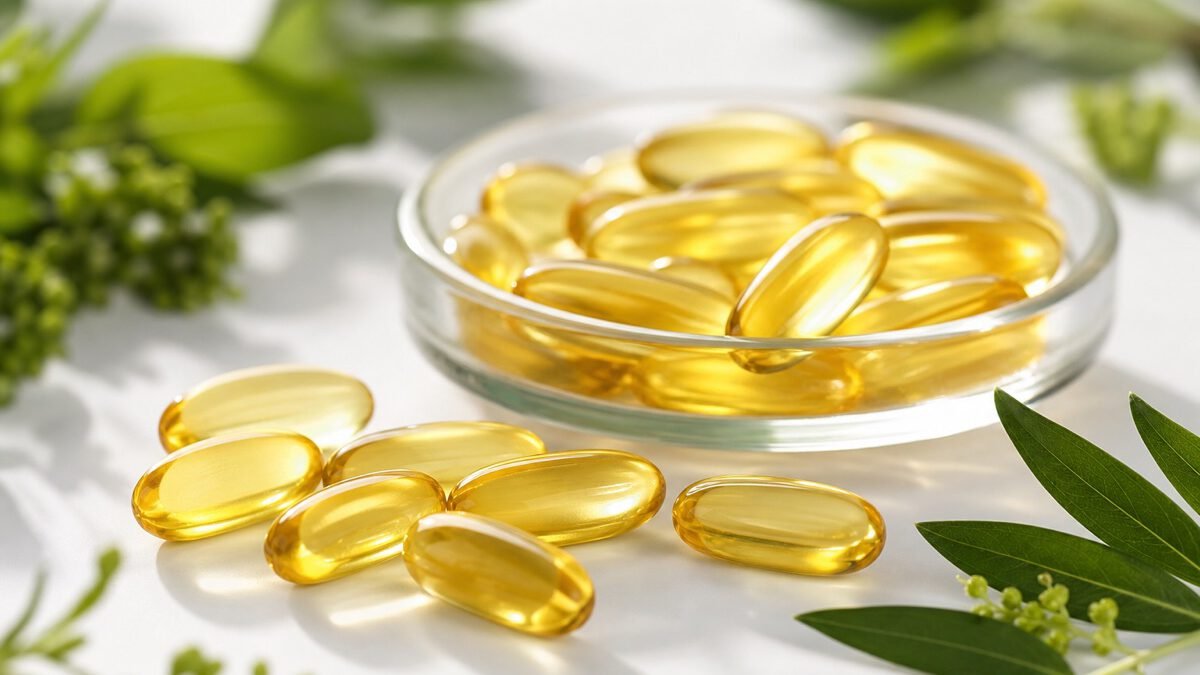

As consumer demand for high-performance nutraceuticals continues to rise, softgel bioavailability has become one of the most important differentiators for supplement brands. Lipophilic actives such as omega-3 fatty acids, CoQ10, astaxanthin, vitamin D3, and botanical oils are widely used in wellness formulations, yet their absorption can be limited when delivery systems are not optimized. That is why advanced nano-emulsification is reshaping how manufacturers approach softgel development in 2026 and beyond.
Why Softgel Bioavailability Matters for Modern Brands
Bioavailability refers to the proportion of an active ingredient that enters circulation and becomes available for use by the body. For lipophilic nutrients, poor solubility in the gastrointestinal tract can reduce efficacy, increase required serving sizes, and weaken consumer confidence. Brands that invest in superior delivery technology can offer stronger clinical positioning, better customer outcomes, and a more compelling value proposition in competitive categories such as heart health, immunity, skin wellness, and sports nutrition.
Softgel capsules remain one of the most trusted formats in the nutraceutical industry because they protect sensitive ingredients, mask unpleasant tastes, and deliver oils and fat-soluble compounds efficiently. However, not all softgels are created equal. The real performance advantage comes from formulation science, emulsification strategy, excipient selection, and manufacturing precision.
What Is Nano-Emulsification in Nutraceutical Manufacturing?
Nano-emulsification is a process that breaks oil-based actives into extremely fine droplets, often in the nanometer range, and stabilizes them within a compatible carrier system. This increases the surface area available for digestion and absorption, helping lipophilic nutrients move more effectively through the digestive process. In practical terms, it can improve consistency, reduce variability between batches, and support more predictable consumer results.
For contract manufacturers and private-label brands, nano-emulsified systems offer several commercial benefits:
- Enhanced absorption of fat-soluble vitamins and botanical extracts
- Improved stability for sensitive antioxidant compounds
- Greater formulation flexibility across dosage strengths
- Stronger premium positioning in retail and e-commerce channels
- Better opportunity to support science-backed marketing claims
Key Applications in Lipophilic Nutrient Delivery
Nano-emulsification is especially valuable for categories where absorption has traditionally been challenging. At Herbinn Micro Medicines, we see strong demand for advanced softgel solutions across omega formulations, krill and flaxseed oils, astaxanthin, lycopene, CoQ10, ubidecarenone, beta carotene, and specialty botanical blends. These ingredients are highly sought after, but their performance depends heavily on how well they are solubilized, encapsulated, and released.
When brands choose a manufacturing partner with deep expertise in lipophilic nutrient delivery, they gain access to formulation support that goes beyond simple encapsulation. The best outcomes are achieved when R&D, quality assurance, and production teams collaborate early in the development cycle to define target release profiles, stability goals, and market claims.
Manufacturing Considerations for High-Performance Softgels
Successful softgel programs require more than innovative ingredients. They depend on controlled processing environments, validated equipment, and strict quality systems. Important manufacturing factors include:
- Selection of gelatin or plant-based shell systems based on product positioning
- Compatibility testing between actives, carriers, and antioxidants
- Moisture control and oxidative stability management
- Uniform fill weight and seam integrity across high-volume runs
- Regulatory documentation for domestic and export markets
Brands launching in the United States, Europe, or other regulated markets should also align formulation decisions with labeling requirements, claim substantiation, and shelf-life validation. A well-designed softgel program reduces reformulation risk and accelerates time to market.
How Herbinn Supports Next-Generation Softgel Innovation
With more than three decades of experience in nutraceutical manufacturing, Herbinn Micro Medicines helps brands transform complex actives into market-ready softgel products. Our capabilities span premium oil-based formulations, custom blends, private-label manufacturing, and export-ready production supported by robust quality systems.
Whether you are developing a new antioxidant softgel, expanding an omega portfolio, or upgrading an existing formula for better absorption, our team can guide you from concept to commercial scale. By combining formulation expertise with dependable manufacturing, we help partners build products that stand out in a crowded wellness market.
Looking Ahead: The Future of Softgel Technology
The next phase of growth in nutraceuticals will be driven by smarter delivery systems, not just new ingredients. Nano-emulsification, improved emulsifier systems, and precision softgel engineering will continue to raise the bar for product performance. Brands that adopt these technologies early will be better positioned to win consumer trust and retail placement.
If you are planning a new softgel line or want to improve the performance of an existing product, now is the time to evaluate your bioavailability strategy. Explore Herbinn softgel products or contact our team to discuss your next formulation.